
Most homeowners approach tree trimming reactively — a branch grows too close to a roofline, a limb blocks light to a garden bed, deadwood appears after a storm. Reactive trimming addresses immediate problems but misses the bigger picture. Trees trimmed without understanding growth patterns, wound response, and structural balance often develop worse problems within two or three growing seasons than existed before any pruning began.
Timing separates effective trimming from damaging it. Late winter, just before spring growth flush, represents ideal timing for most deciduous species. Wounds close faster during active growth periods; pruning cuts made in late winter heal before insects and fungal pathogens become active. Summer trimming remains acceptable for dead or hazardous material removal, but heavy structural pruning during peak growing season stresses trees unnecessarily. Fall pruning carries the highest risk — fresh wounds entering dormancy without adequate healing time invite decay.
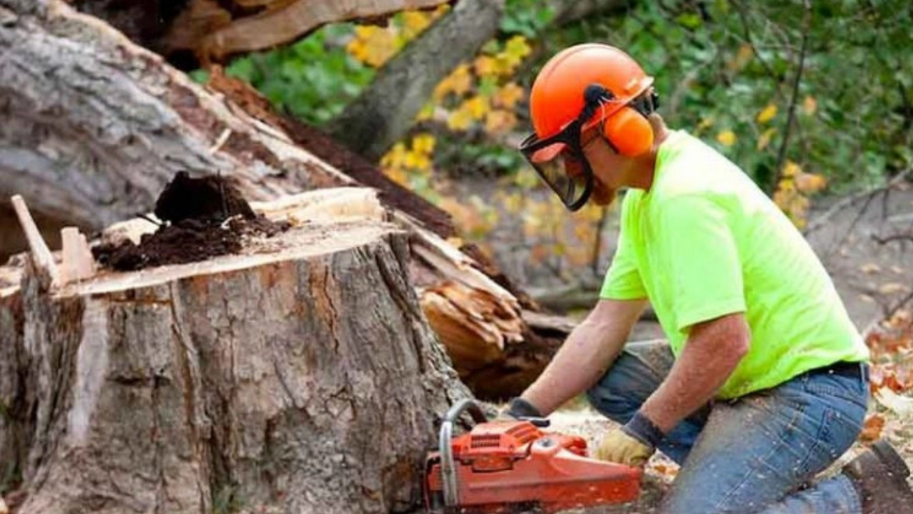
Knowing where personal trimming capability ends matters as much as knowing how to execute cuts properly. Branches exceeding three inches diameter, limbs positioned over structures, and any work requiring climbing or elevated equipment moves beyond DIY scope. Attempting large-scale removal without proper rigging creates falling hazards that damage property and injure bystanders. Professional Tree removal services carry equipment, insurance, and trained rigging knowledge that residential tools simply cannot replicate safely.
Where Exactly to Make Each Cut
Branch collar location determines whether a wound heals cleanly or decays inward. Each branch emerges from trunk tissue at a slightly swollen collar — visible as a subtle ridge where branch meets trunk. Cutting just outside this collar, angled slightly away, preserves living tissue that generates wound-closing callus. Cutting flush with trunk removes collar tissue entirely; cutting too far out leaves a stub that dies back and opens a decay pathway into trunk wood.
Three-cut method prevents bark tearing on larger branches. First cut goes on branch underside twelve to eighteen inches from trunk — sawing upward until blade binds prevents tearing when branch weight drops. Second cut removes branch weight just outside first cut, leaving a stub. Third cut removes stub cleanly just outside branch collar. Skipping to single cuts on heavy limbs consistently produces long tears stripping bark down trunk — damage far more serious than whatever problem the trimming addressed.
What Never to Remove
Live crown ratio — proportion of living canopy relative to total tree height — requires protection during trimming. Removing more than twenty-five percent of live crown during any single season stresses trees severely, reducing photosynthetic capacity and triggering stress responses that weaken structural wood over subsequent years. Lion-tailing — stripping interior branches to leave foliage only at branch tips — creates wind-sail effect that dramatically increases storm damage risk while stressing root systems struggling to support reduced canopy.
Branch unions with included bark signal structural weakness before trimming begins. Two codominant stems growing at narrow angles compress bark between them rather than forming solid wood union — included bark creates a built-in crack that propagates under load. Identifying these unions before removal cuts change weight distribution prevents unexpected failures. Trimming large branches from one side of such unions without addressing structural weakness sometimes accelerates splitting rather than reducing hazard.
Heading cuts — removing branch tips to stubs rather than cutting back to lateral branches — produce dense, weakly attached epicormic sprout clusters that grow vigorously but attach poorly. Trees topped or heavily headed require significantly more maintenance long-term than properly pruned alternatives, and never regain natural structural integrity regardless of subsequent care. Avoiding heading cuts entirely produces better outcomes than correcting their consequences later.