Finding your favorite songs quickly can sometimes feel frustrating, especially when you’re dealing with large music libraries or search platforms with inconsistent results. Whether you’re looking for a specific track, a remix, or an older version of a song, knowing how to search efficiently makes a huge difference.
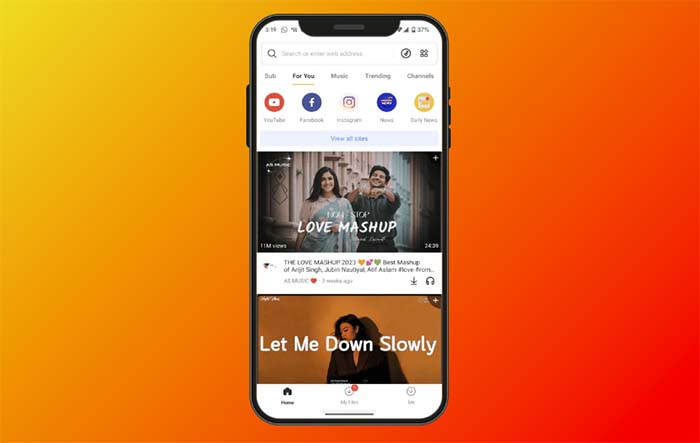
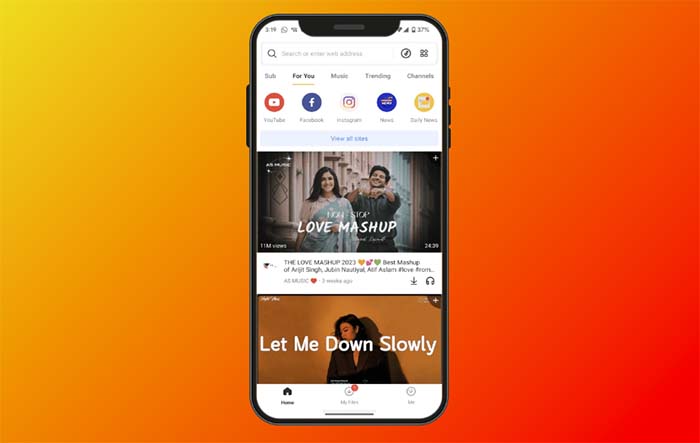
One platform people often explore for quick music discovery is Tubidy. While its interface is simple, many users don’t realize that smarter search techniques can dramatically improve speed and accuracy when finding songs.
This guide breaks down practical, easy-to-follow Tubidy search tips that help you locate songs faster, reduce irrelevant results, and improve your overall experience.
Why Search Efficiency Matters on Tubidy
Music search platforms like Tubidy rely heavily on keyword matching. That means even small changes in how you type your query can affect results.
Common problems users face include:
- Too many irrelevant results
- Missing exact song versions
- Difficulty finding remixes or live performances
- Confusion with similar song titles
- Slow browsing through multiple pages
Learning how to refine your search helps you avoid all of these issues.
1. Use the Correct Song Title Format
One of the most effective ways to speed up results is using the exact song title format.
Instead of:
Try:
Search engines often prioritize structured queries where the artist name comes first or is clearly separated from the title.
Pro Tip:
If the song title is common, always include the artist name to narrow results.
2. Add the Artist Name Every Time
Many users search only by song name, which often leads to mixed or incorrect results.
For better accuracy:
- Include full artist name
- Avoid nicknames unless widely recognized
- Use official spelling (e.g., “Beyoncé” instead of “Beyonce” if supported)
Example:
- Bad: hello
- Good: Adele Hello
This reduces confusion between multiple songs with the same title.
3. Use Keywords Like “Official,” “Remix,” or “Live”
If you’re looking for a specific version of a song, add descriptive keywords.
Try adding:
- Official
- Remix
- Live
- Acoustic
- Cover
- Instrumental
Examples:
- Blinding Lights The Weeknd Remix
- Ed Sheeran Perfect Acoustic
This helps filter out unwanted versions.
4. Keep Your Search Query Short but Specific
Many users make the mistake of typing long sentences like:
“I want the latest version of the song from Taylor Swift album”
Instead, keep it simple:
Short, keyword-focused queries are processed faster and return cleaner results.
5. Avoid Special Characters and Extra Words
Search engines often ignore or misinterpret symbols.
Avoid:
- Quotes (” “)
- Extra punctuation (!, ?, /)
- Full sentences
Instead of:
- “shape of you!!! official song??”
Use:
Cleaner input = faster results.
6. Try Alternative Spellings
Sometimes songs or artists have different spellings across regions or uploads.
Examples:
- “Céline Dion” vs “Celine Dion”
- “Numb/Encore” vs “Numb Encore”
- “50 Cent” vs “Fifty Cent”
If you don’t find results immediately, try a simplified version.
7. Search by Partial Song Lyrics
If you don’t remember the song title, try a few words from the lyrics.
Example:
- Instead of title → search: we found love in a hopeless place
This often works well for popular tracks.
Pro Tip:
Use unique phrases, not common words like “love” or “baby.”
8. Use Genre-Based Keywords for Discovery
If you’re exploring music instead of searching for a specific track, use genre keywords:
- Pop 2026 hits
- Hip hop trending songs
- Bollywood romantic songs
- EDM festival mix
This helps you discover relevant tracks faster instead of guessing titles.
9. Prioritize Recent or Trending Keywords
To find the latest songs, include time-based terms:
- 2026 songs
- trending now
- latest hits
- new release
Example:
- Billie Eilish latest songs 2026
This helps surface newer uploads faster.
10. Use Artist + Year Combination
If a song has multiple versions across years, include the release year.
Example:
This is especially useful for artists with long careers and multiple remasters.
11. Be Careful with Abbreviations
Some users shorten artist names or titles, but this can reduce accuracy.
Avoid:
Prefer:
- Taylor Swift Love Story
- Justin Bieber Sorry
Unless the abbreviation is universally recognized, always use full names.
12. Refresh and Re-Search When Needed
If results don’t look right:
- Re-type your query
- Change word order
- Remove unnecessary keywords
- Try a simpler version
Sometimes a small change completely improves search results.
13. Combine Multiple Filters in One Query
For better precision, combine:
- Artist name
- Song title
- Version type
Example:
- Ariana Grande Positions remix official
This reduces browsing time significantly.
14. Avoid Overloading Your Search
Too many words confuse search engines.
Bad example:
- I want to download the best and latest version of Drake song Hotline Bling official remix mp3
Good example:
- Drake Hotline Bling remix
Keep it focused.
15. Learn From Your Search History
If you frequently search for similar types of music:
- Reuse successful search patterns
- Adjust only artist or song name
- Keep structure consistent
Over time, this makes searching almost automatic.
Common Mistakes to Avoid
Even experienced users make these mistakes:
- Searching without artist name
- Using full sentences
- Overusing symbols
- Not checking spelling
- Ignoring version keywords
Avoiding these can instantly improve your search speed.
Final Thoughts
Efficient music searching is not about luck—it’s about structure. Once you understand how to phrase your queries properly, finding songs becomes quick and effortless.
By using clear artist names, specific song titles, and helpful modifiers like “remix” or “live,” you can dramatically reduce search time and improve accuracy.
Platforms like Tubidy become much more powerful when you apply these simple but effective search techniques.
With the right approach, you’ll spend less time searching and more time enjoying your favorite music.